
Lux Polysaccharide stationary phases are cellulose or amylose coated silica with specific chiral selectors.
- The sugar itself brings a selectivity. For example, cellulose is a 1, 4-beta linkage of sugar units and produces a helical structure while amylose is a 1,-4 alfa linkage and gives rise to a rigid linear structure with groves.
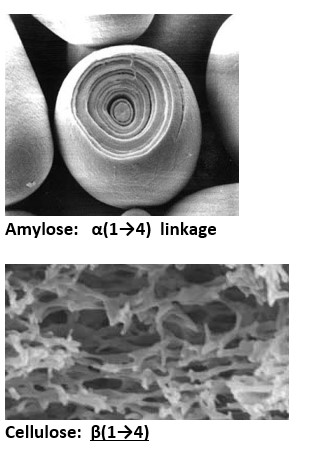
- Each monomer sugar unit of sugar in the cellulose and amylose has many chiral centers and will give chiral recognition
- The chiral selector which are substituted carbamates will give a chiral recognition. A good analogy is a traffic police directing the traffic towards one path, so does the chiral selector spatially directs the analytes forwards the organized chiral center of the sugar units. So, dimethyl carbamate selector will exhibit a different selectivity compared to a chlorinated carbamateLux columns are coated and the coating of sugar to silica is thicker compared to Chiracel columns
- All the above factors contributes to the chiral recognition & high hit rate of Lux polysaccharide phases.
0 Comments